


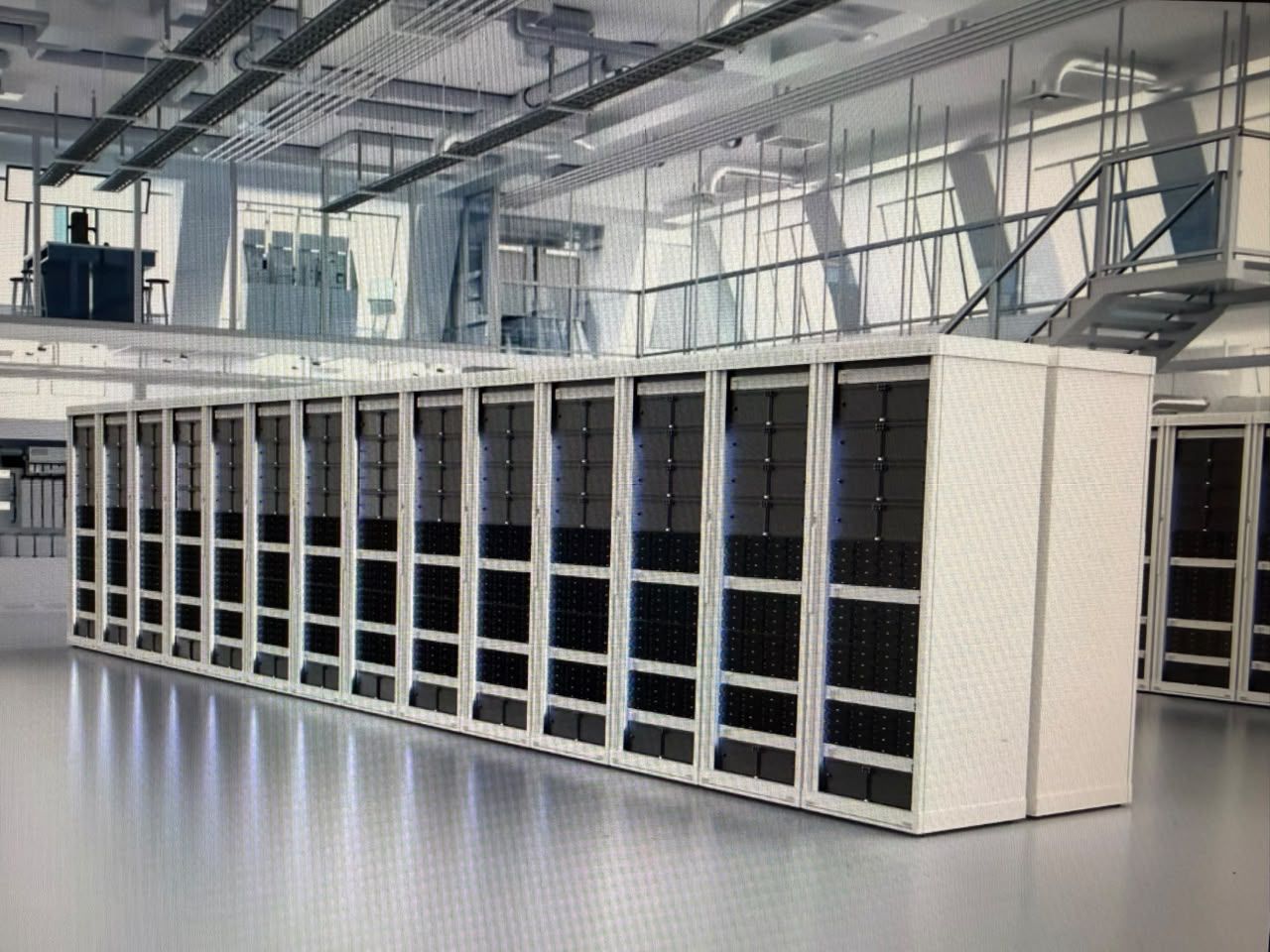
Description
Cable Trays
Cable Trays
Cable Trays for Data Centre & Industrial Projects
Logam supplies and fabricates cable trays in Malaysia for data centre, industrial and commercial projects. Our metal fabrication capabilities support cable tray requirements based on project layouts and specifications, providing organised pathways for electrical and communication cables.
Cable Tray Fabrication for Different Applications
Cable tray requirements vary depending on the installation environment, cable quantity and routing arrangement.
- Data Centres: Cable pathways for power distribution and communication infrastructure, where organised routing, cable separation and maintenance access are important.
- Industrial Facilities: Cable support arrangements for electrical and control systems, planned around equipment layouts and operating conditions.
- Commercial Buildings: Cable routing systems for electrical and communication installations, including projects with multiple cable routes.
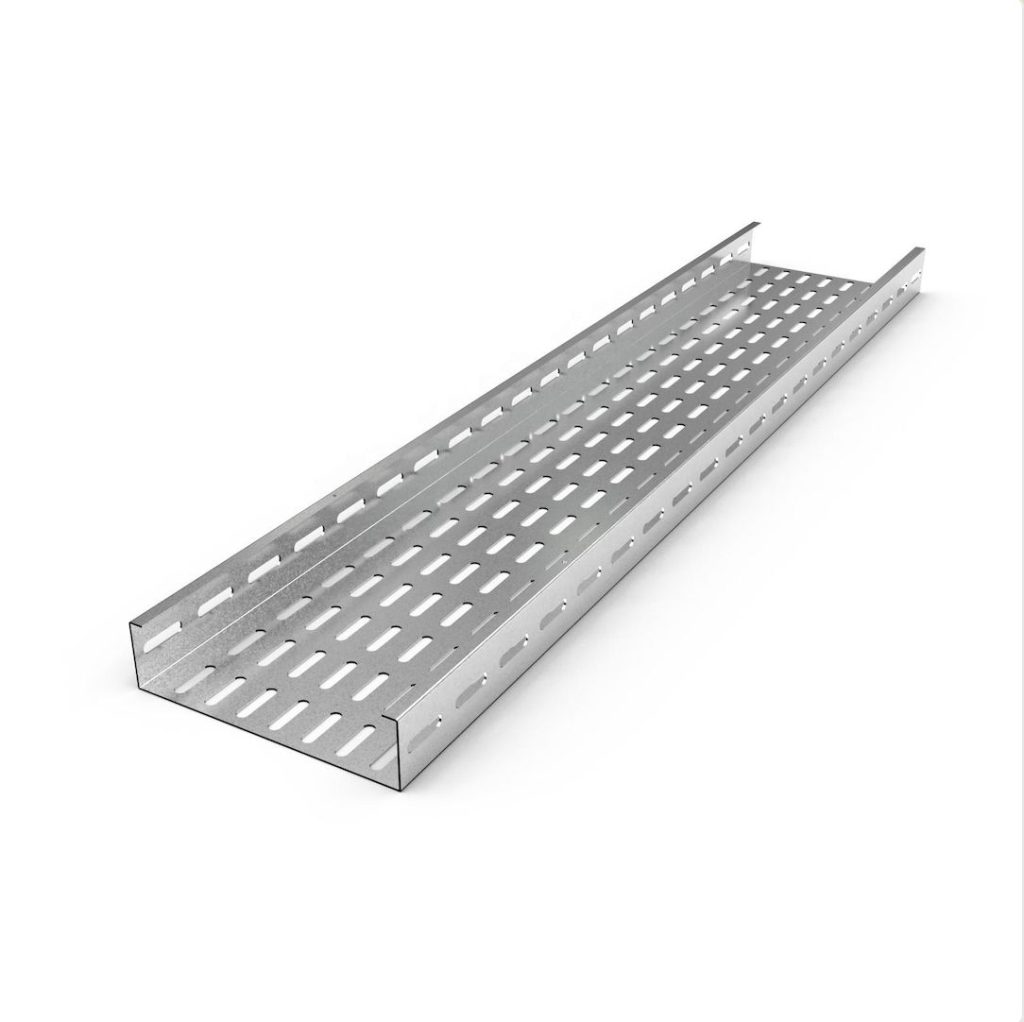
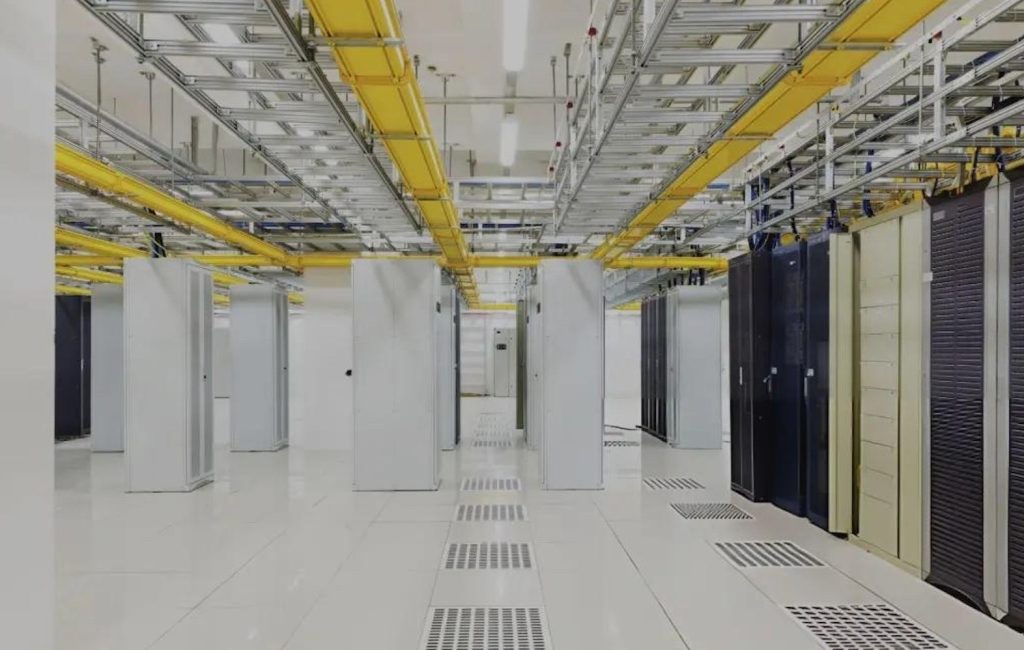

Cable Tray Specifications & Project Requirements
Logam undertakes custom metal fabrication using processes such as cutting, bending, forming and welding. Cable tray fabrication requirements should be established from the project’s technical drawings and installation specifications.
| Specification | What to Consider |
| Tray Dimensions | Required width, depth, length and available installation space |
| Cable Arrangement | Cable types, quantities, separation requirements and allowance for future additions |
| Material & Finish | Material and surface treatment suitable for the installation environment |
| Routing Layout | Straight runs, directional changes and connection points |
| Load & Support | Expected cable weight, support spacing and applicable project requirements |
| Installation Location | Overhead, wall-mounted or other planned cable pathways |
Specific tray configurations, accessories, load ratings and material options should be confirmed with Logam before fabrication.
Planning Cable Trays for Data Centre Projects
Data centre cable tray layouts require coordination with other infrastructure. Proper planning should account for:
- Power and Data Cable Separation: Arrangement of cable pathways according to the electrical and network design.
- Maintenance Access: Sufficient access for cable installation, inspection and future changes.
- Cable Routing: Suitable directional changes to avoid excessive bending or mechanical stress on cables.
- Available Space: Coordination with equipment, structural supports and other building services.
These considerations should be finalised by the project designer or engineer before fabrication.
Frequently Asked Questions (FAQs)
Can cable trays be fabricated according to project dimensions?
Logam offers custom metal fabrication based on project requirements. Provide your intended tray dimensions, material specifications and drawings for feasibility assessment. Non-standard configurations should be confirmed before placing an order.
What information is needed to determine the correct cable tray size?
The project designer should consider cable quantities, diameters, cable segregation, anticipated future capacity and installation space. Cable weight and support arrangements must also be checked. The final dimensions should follow the approved electrical or data centre layout.
What materials are suitable for cable trays?
Galvanised steel, stainless steel and aluminium are commonly used for cable support systems. The appropriate choice depends on environmental exposure, mechanical requirements and the project specification. Logam works with these material families, but availability for a specific tray design should be confirmed.


